Rebonding transforms unruly, frizzy hair into a sleek, glossy mane — but maintaining that transformation in the Philippines' tropical humidity requires a specific approach.
Why Humidity Affects Rebonded Hair
When hair is rebonded, the natural disulfide bonds are broken and reformed in a straight configuration. Humidity introduces moisture into the hair shaft, which can temporarily re-activate remaining bonds and cause slight wave or frizz — especially in the first few weeks.
The First 72 Hours Are Critical
For the first three days after rebonding:
- ›Keep hair completely dry — avoid rain, sweat, and swimming
- ›Don't tie your hair or tuck it behind your ears
- ›Sleep with hair loose on a silk pillowcase
- ›Avoid tucking hair into helmets or hats
Daily Care Routine for Rebonded Hair
Washing: Use a sulfate-free, moisturizing shampoo no more than three times a week. Over-washing strips the natural oils that keep rebonded hair smooth.
Conditioning: A leave-in conditioner is non-negotiable in Metro Manila's climate. Apply a small amount to the mid-lengths and ends while hair is still damp.
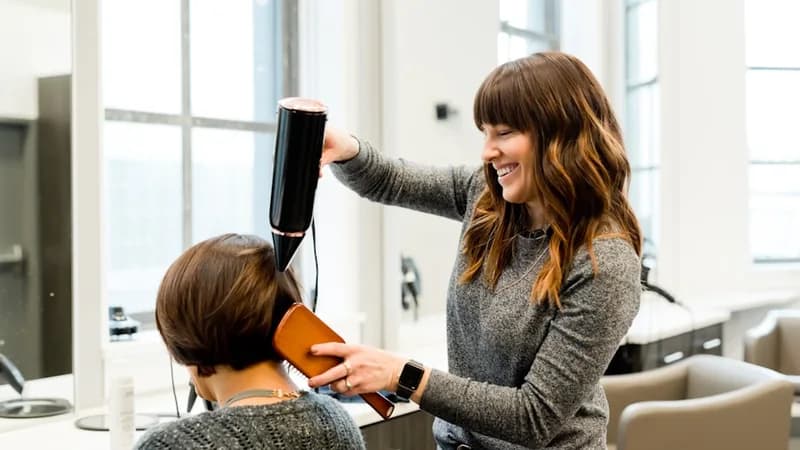
Drying: Always blowdry in the same direction as the hair strand — from root to tip. Never let rebonded hair air-dry completely flat against your head.
Ironing: Use a flat iron on the lowest effective heat setting (150–170°C). Always apply a heat protectant spray first.
Monthly Salon Treatments
Visit Beauty Essentials every 4–6 weeks for a deep conditioning or bond therapy treatment. These professional treatments replenish the proteins and moisture lost through daily styling, extending the life of your rebonding significantly.
What to Avoid
- ›Chlorinated pool water (wear a swim cap and rinse immediately after)
- ›Elastic hair ties that create creases
- ›Sleeping with wet hair
- ›Chemical services within 6 weeks of rebonding
With the right care routine, your rebonded hair can stay smooth and sleek for 4–6 months even in Manila's humidity.